
20
Jul 2026
ddPCR and NGS for viral surveillance in antiviral drug development
hVIVO explains how ddPCR and NGS support viral surveillance in antiviral trials, from detection and quantification to resistance sequencing.
20
Jul 2026
hVIVO explains how ddPCR and NGS support viral surveillance in antiviral trials, from detection and quantification to resistance sequencing.
20
Jul 2026
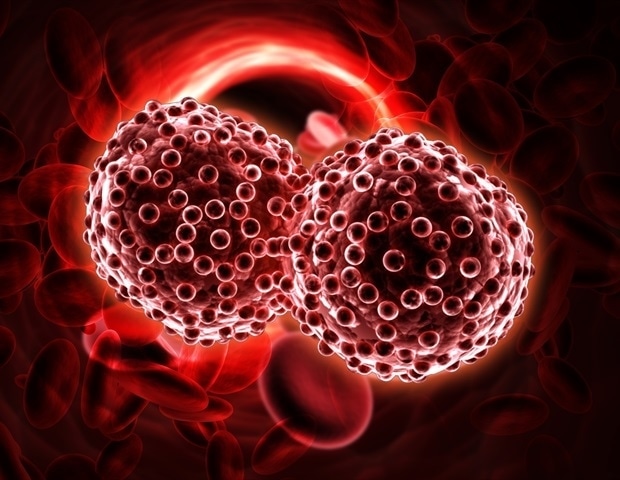
Researchers have found that with new treatments for multiple myeloma, a serious type of blood cancer, clinicians should use different criteria for identifying patients with poor odds of survival.

20
Jul 2026
Previous studies have found that caffeine is the world's most popular stimulant and psychoactive substance, and coffee is the most common way people consume caffeine.
20
Jul 2026
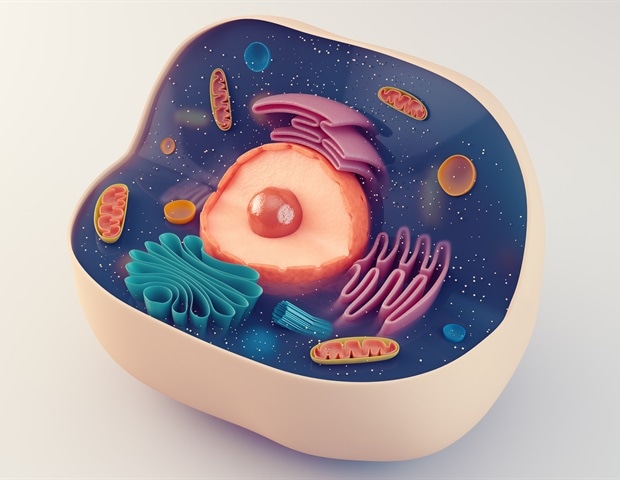
Researchers at EMBL Hamburg and collaborators at the Leibniz Research Institute for Molecular Pharmacology (FMP) have mapped how the influenza A virus rewires infected human cells in unprecedented detail.

20
Jul 2026
Research indicates GLP-1RAs may effectively reduce binge eating severity, offering a complementary approach to existing psychological therapies for obesity.

20
Jul 2026
A modeling study reveals that smarter hospital design can generate $100 million in long-term savings while fostering healthier healthcare environments.

20
Jul 2026
A study reveals a rise in illicit tobacco purchasing in Great Britain, posing challenges to the smokefree generation policy and highlighting enforcement needs.

20
Jul 2026
New research has found that eating habits that align most closely with a woman's existing routine show promise for losing postpartum baby weight, especially for mothers earlier in the postpartum period.

20
Jul 2026
An analysis of GBD 2021 estimates across 204 countries and territories found that global deaths from early-onset IBD fell by approximately 71% among children younger than 10 between 1990 and 2021. However, estimated incident and prevalent case numbers rose while the age-standardized incidence rate remained broadly stable, with persistent socioeconomic and regional inequalities.

20
Jul 2026
Growing evidence suggests lifelong learning can help combat cognitive decline, but many older adults with dementia avoid traditional classes for fear of not keeping up.
Clinical trials are very important as it allow us to evaluate the effectiveness of new drugs, new devices, preventative strategies or treatment strategies. It also enables us to discover better ways for patients' care.
- Learn more
Our mission remains constant as we endeavor to deliver novel medicines to patients with cancer, treating solid tumors with high unmet medical needs in well-defined patient populations that are currently not well supported.
- Learn more
Whether you're looking to manufacture toxicology batches or cGMP material for clinical trials, we can help you expedite molecules to clinic with full transparency.
- Learn more

