25
Sep 2026
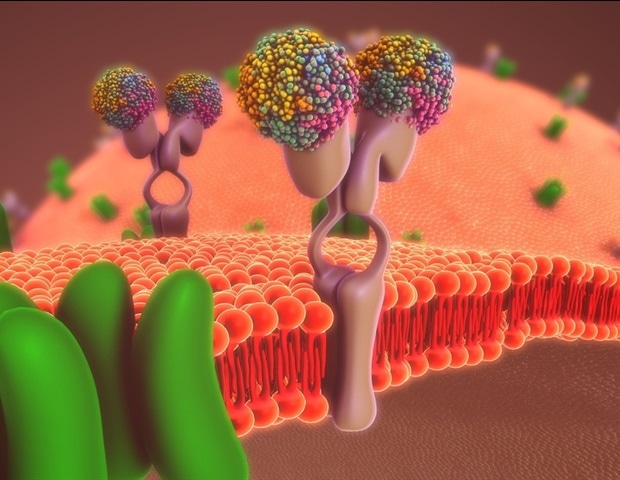
Tapping the power of cryo-ET to visualize how molecular machines interact inside cells
Scientists have often thought of cells as small bustling cities with parts that resemble factories, power grids, and shipping systems.

Increasing and changing demands concerning the health of populations and limited resources require our health care organizations and systems to rethink their sustainability. To achieve objectives, such as improved healthcare quality, health outcomes, efficiency and staff satisfaction, we support our clients in making evidence-based decisions. With tailor-made research projects, we provide insights into what works, for whom, at what cost, and under what circumstances. Based on your challenge, we can support you by:
Clinical trials are very important as it allow us to evaluate the effectiveness of new drugs, new devices, preventative strategies or treatment strategies. It also enables us to discover better ways for patients' care.
- Learn more
Our mission remains constant as we endeavor to deliver novel medicines to patients with cancer, treating solid tumors with high unmet medical needs in well-defined patient populations that are currently not well supported.
- Learn more
Whether you're looking to manufacture toxicology batches or cGMP material for clinical trials, we can help you expedite molecules to clinic with full transparency.
- Learn more
25
Sep 2026
Scientists have often thought of cells as small bustling cities with parts that resemble factories, power grids, and shipping systems.
25
Sep 2026
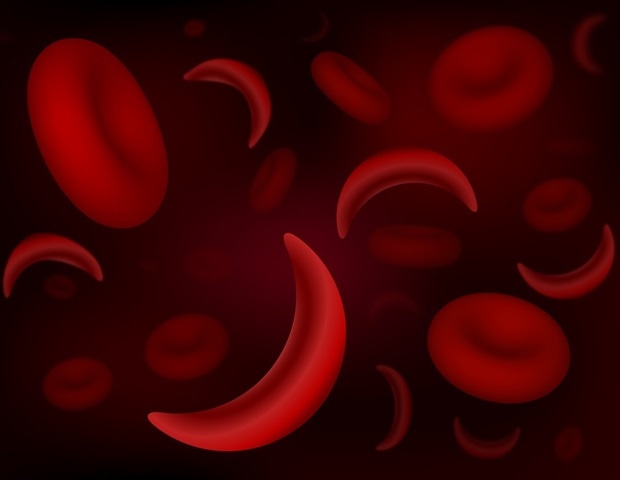
September is National Sickle Cell Awareness Month, and a University of Cincinnati College of Medicine hematology researcher has received new grant funding to study one of the disease's painful, under-recognized complications: bone damage.
25
Sep 2026
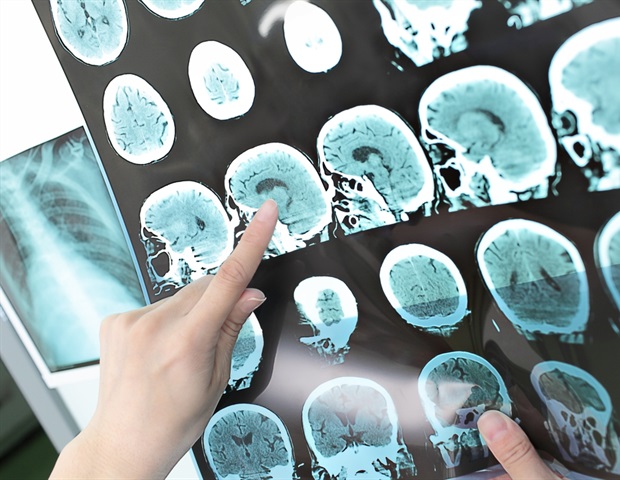
On the wooded University of Montana campus, resident Cooper's hawks are helping people recover from stroke.
25
Sep 2026
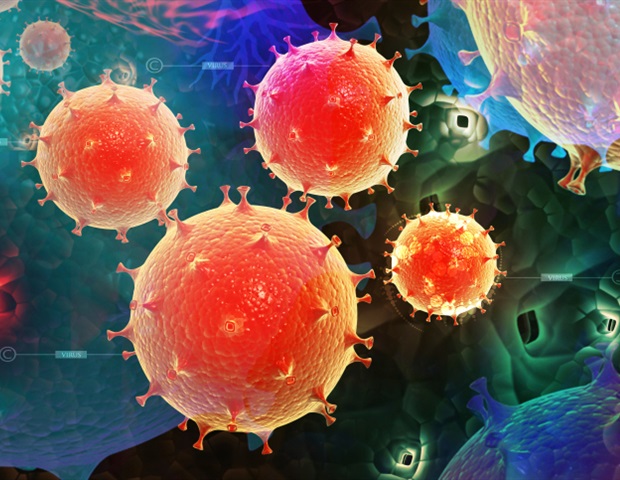
Urinary tract infections, or UTIs, are among the most common bacterial infections, caused mostly by the uropathogenic bacterium Escherichia coli. But even after antibiotic treatment, a large number of patients experience another UTI.