
1
Jun 2026
New portable PET technology guides procedures with real-time imaging
A newly developed portable, point-of-care PET technology can image any organ, delivering high-quality results to guide interventional procedures.
1
Jun 2026
A newly developed portable, point-of-care PET technology can image any organ, delivering high-quality results to guide interventional procedures.

1
Jun 2026
Di Wang, PhD, and Y. Shrike Zhang, PhD, of the Division of Engineering in the Mass General Brigham Department of Medicine, are the lead and senior authors of a paper published in Nature Biomedical Engineering, "4D-printed adaptive hydrogel tissue expanders for ear and breast reconstruction."
1
Jun 2026
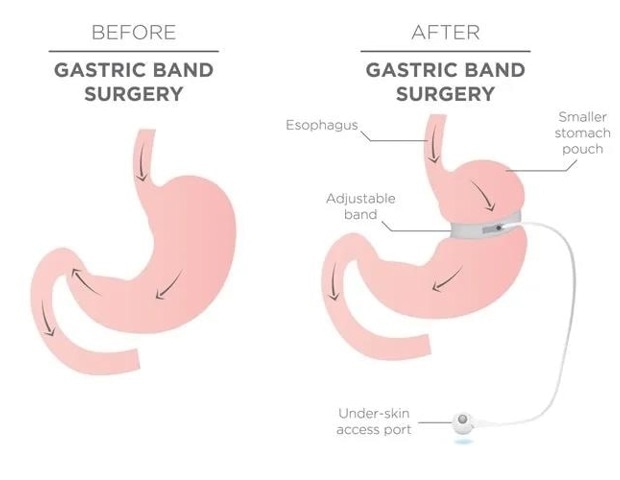
A novel PET imaging framework reveals that bariatric surgery impacts not only body weight, but also the metabolic function of multiple organs.

1
Jun 2026
A new PET tracer targeting carbonic anhydrase IX (CAIX) has demonstrated exceptional sensitivity and high tumor-to-background contrast in detecting clear cell renal cell carcinoma (ccRCC), according to early clinical research.

1
Jun 2026
Could the way doctors traditionally measure obesity allow a subset of people with obesity-related health risks slip through the cracks?

1
Jun 2026
The humble Y chromosome may be the smallest chromosome in the mammalian genome (and getting even smaller), but it is mighty: genes on the Y chromosome are critical for fertility in males.

1
Jun 2026
Newborn meningitis is one of the most dangerous childhood infections. It is often life-threatening and can cause serious and lasting damage, including developmental problems, in the children who survive.

1
Jun 2026
PromptSE uses structured LLM prompting to generate pharmacologically relevant side-effect representations, then feeds them into deep learning models to predict drug-side effect associations. In benchmark testing, PromptSE improved prediction performance, while PromptSE+ further boosted results by adding multi-modal drug information and graph-based refinement for sparse data.

1
Jun 2026
Population-based pathogenic variant testing identified breast cancer susceptibility gene carriers who would often be missed by clinical risk models, even when polygenic risk scores were added. In the WISDOM Study analysis, fewer than 1% of high-penetrance variant carriers would have received the same high-risk screening recommendation using clinical plus polygenic risk alone.

1
Jun 2026
A new breakthrough technology, co-developed by UCL scientists, that simultaneously records and manipulates neuron activity deep within the brain could transform our understanding of neural circuits and neurological conditions, such as Alzheimer's disease and schizophrenia.
Clinical trials are very important as it allow us to evaluate the effectiveness of new drugs, new devices, preventative strategies or treatment strategies. It also enables us to discover better ways for patients' care.
- Learn more
Our mission remains constant as we endeavor to deliver novel medicines to patients with cancer, treating solid tumors with high unmet medical needs in well-defined patient populations that are currently not well supported.
- Learn more
Whether you're looking to manufacture toxicology batches or cGMP material for clinical trials, we can help you expedite molecules to clinic with full transparency.
- Learn more

